

Does artificial intelligence help animation? An honest look in 2026
10 November 2026
Opinion and guide · Updated 10 November 2026
Short answer: yes, AI helps animation, but mostly as a set of power tools in human hands rather than a button that makes a finished film. Here is a practical view of where it helps today and where it still falls short.
How widely is AI being used?
Use is growing quickly. In Wyzowl's 2026 State of Video Marketing survey, 63% of video marketers said they had used AI to create or edit video, up from 51% the year before. That tells us AI is now a normal part of video work. It does not tell us that AI can replace a production team.
Where AI genuinely helps
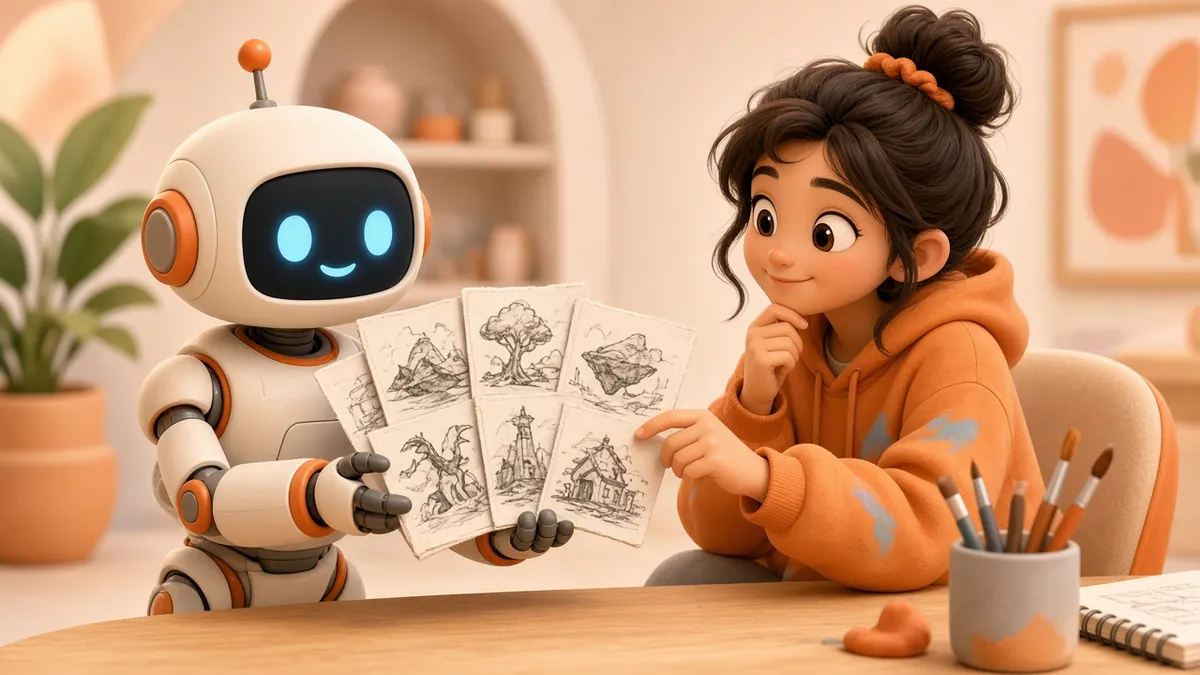
- Ideas and early exploration. Generating mood boards, colour ideas and rough concept frames to discuss with a client before anyone commits to a look.
- Script and story support. Brainstorming angles, tightening wording and checking timing. A human still decides what the story is.
- Rough storyboards and animatics. Quick visual drafts help agree the shot list faster.
- Clean-up and repetitive tasks. Tools for rotoscoping, background removal, upscaling, denoising and frame interpolation can save hours. Our free background remover runs an AI model right in your browser.
- Motion from video. Markerless motion capture tools can extract body movement from ordinary video, which can then be refined by an animator.
- Voice and localisation. Synthetic voices and translation can create scratch tracks and multi-language drafts, provided rights and consent are handled properly.
Where AI still struggles
- Consistency. Keeping the same character, outfit, proportions and style across many shots remains difficult with generative video.
- Control. Clients ask for specific changes: "raise the arm, slow the turn, keep the logo exactly this colour". Traditional animation gives frame-level control; prompt-based tools often do not.
- Brand and product accuracy. Generated imagery can distort logos, text, product shapes and hands.
- Tool churn. AI video services change quickly. Some popular tools have been changed, restricted or discontinued, so production should not depend on one service with no backup.
Rights and rules to think about
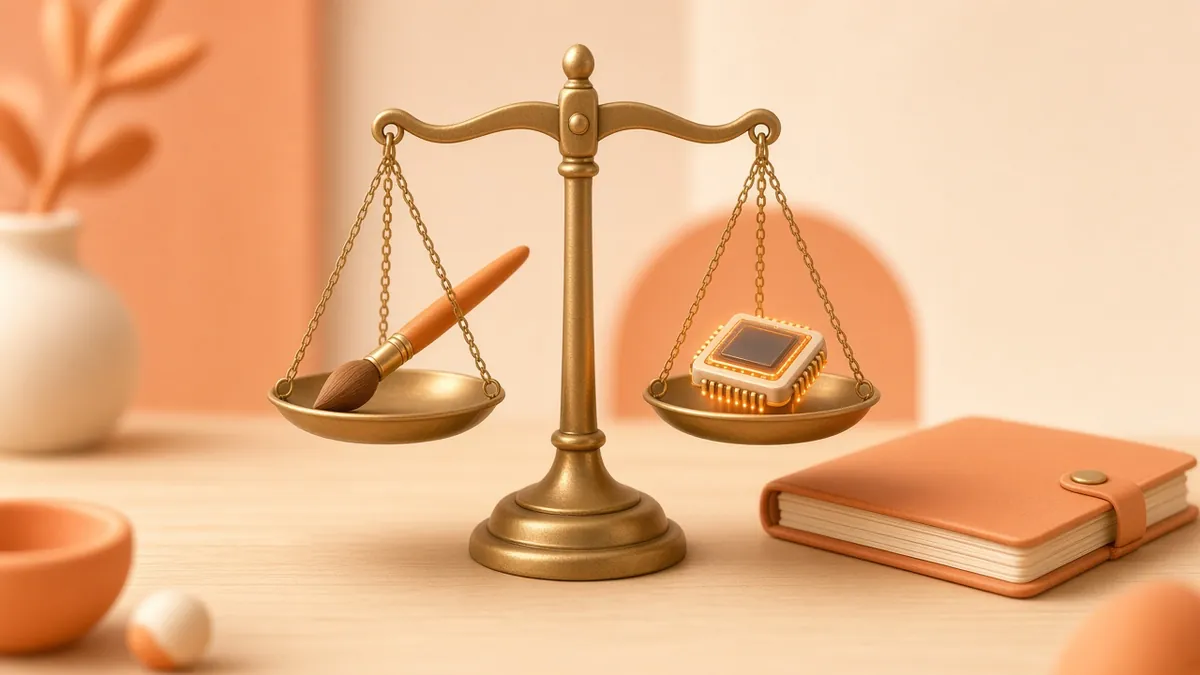
- Copyright. The U.S. Copyright Office has published a multi-part report on copyright and AI. Its position is that copyright protects human authorship, so purely AI-generated material may not be protected in the US. Laws differ by country, so check the rules where you operate.
- Training data and likeness. Be careful with tools trained on unclear data, and never use a real person's face or voice without permission.
- Platform disclosure. Major platforms ask creators to label realistic AI-generated or altered content. Check the current rules on each platform you publish to.
- Risk management. Frameworks such as NIST's AI Risk Management Framework are a useful checklist for organisations that want to use AI responsibly.
A sensible way to use AI in an animation project
- Use AI early, for exploration and speed, where mistakes are cheap.
- Lock the creative direction with humans: script, character designs, style frames.
- Produce final shots with controllable tools, using AI for specific clean-up or efficiency tasks.
- Keep records of which tools were used and for what, so you can answer rights and disclosure questions later.
Quick answers
Will AI replace animators? Not in the way headlines suggest. It changes which tasks take the most time, but direction, storytelling, consistency and client changes still need skilled people.
Is it safe to use AI images in a commercial video? Check the tool's licence terms, avoid real people's likenesses without consent, and keep a record of what was generated and how it was edited.
The bottom line
AI makes good teams faster. It does not replace taste, storytelling or the ability to deliver exactly what a client asked for. The best results come from combining both.
Curious how AI and traditional animation can work together on your project? Try our free AI tools or talk to us.